
How Childhood Wounds Shape Your Love Life as an Adult
Many adults think their love problems started in adulthood.
But most of them didn’t.
They started quietly…
Years ago…
When you were still a child.
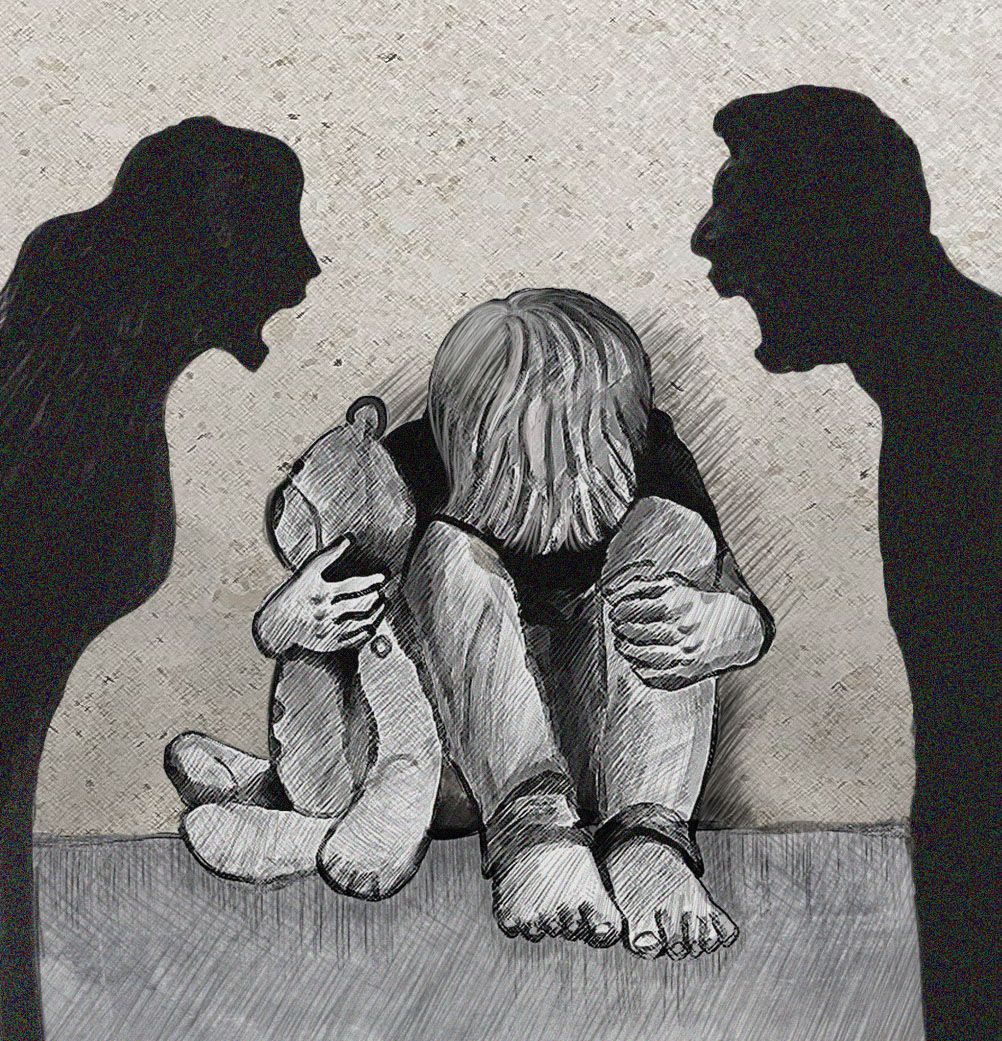
The way you love today is often a reflection of what you didn’t receive back then.
Unhealed childhood wounds don’t disappear,
They grow up with you.
And they show up in your relationships.
1. Love in Adulthood Is Often an Attempt to Heal Childhood Pain
Many people are not really “in love.”
They are trying to fill a gap.
A gap created by:
– Emotional neglect
– Abandonment
– Lack of affection
– Inconsistent parenting
– Harsh criticism
– Unstable homes
So as adults, they unconsciously search for partners to give them what they never received.
Love becomes a coping mechanism, not a connection.
2. Childhood Emotional Neglect Creates Fear of Abandonment
If you grew up feeling unseen, unheard, or unimportant…
You may now:
– Cling too much
– Fear being left
– Overthink texts and silence
– Tolerate disrespect
– Stay in unhealthy relationships
Because your inner child is afraid of being alone again.
You don’t fear losing the person,
You fear reliving the pain.
3. Harsh Childhood Environments Normalize Toxic Love
If love in your childhood came with:
– Shouting
– Punishment
– Manipulation
– Emotional withdrawal
– Conditional affection
You may unconsciously believe love must hurt.
So when a relationship is calm, stable, and healthy…
It feels boring.
Chaos feels familiar.
Peace feels strange.
This is how childhood wounds trick people into toxic love cycles.
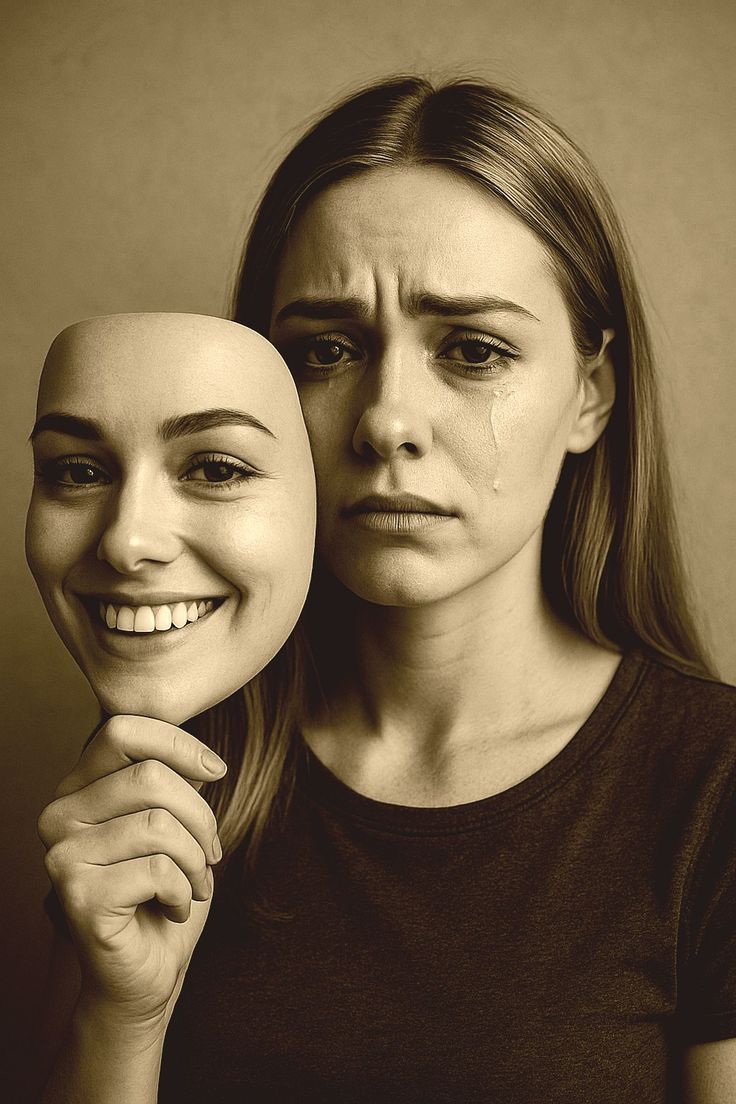
4. People-Pleasing in Love Often Starts in Childhood
Children who had to “earn love” grow into adults who overgive.
They:
– Sacrifice their needs
– Avoid conflict
– Stay quiet when hurt
– Give too much
– Lose themselves
All because, deep down, they believe:
“If I’m good enough, they won’t leave.”
But love should not feel like a performance.
5. Childhood Rejection Shapes Adult Self-Worth in Relationships
If you were constantly criticized or compared…
You may now:
– Doubt your value
– Seek validation
– Attract partners who confirm your insecurities
– Struggle with confidence
– Fear being truly seen
Low self-worth attracts relationships that reinforce it.
You accept what you believe you deserve.
6. You Don’t Choose Partners Randomly, You Choose Familiar Pain
This is one of the hardest truths:
People don’t choose love based on logic.
They choose it based on familiarity.
Even if that familiarity is painful.
That’s why some people repeatedly attract:
– Emotionally unavailable partners
– Controlling partners
– Abusive dynamics
– Inconsistent lovers
Your subconscious is replaying a childhood story, hoping for a different ending.
7. Healing Childhood Wounds Changes Your Love Life Completely
The moment you begin healing, everything shifts.
You stop chasing.
You stop overgiving.
You stop settling.
You stop tolerating disrespect.
You stop confusing attachment with love.
Healing doesn’t make you cold,
It makes you secure.
How to Heal Childhood Wounds and Love Better (Practical Steps)
Step 1: Acknowledge Your Inner Child
Admit what you lacked.
Ignoring pain doesn’t erase it.
Step 2: Identify Your Patterns
Ask yourself:
“Why do I keep attracting this type of person?”
Patterns reveal wounds.
Step 3: Learn to Self-Validate
Give yourself what you were always seeking from others:
– Reassurance
– Affection
– Patience
– Acceptance
Step 4: Set Emotional Boundaries
Love should not cost you your peace.
Boundaries protect healing.
Step 5: Choose Growth Over Familiarity
Healthy love may feel unfamiliar at first —
Give it time.
Step 6: Seek Support When Needed
Healing is brave, not weak.
Therapy, counseling, journaling, prayer — all help.
Conclusion:
Heal the Child, Transform the Love
Your love life is not broken.
It is unfinished healing asking for attention.
When you heal the wounds of your past,
You stop bleeding on people who didn’t cut you.
You love without fear.
You choose without desperation.
You connect without losing yourself.
Healthy love begins when your inner child finally feels safe.








.jpg)





















0 Comments