
Why Nothing Will Change in Your Life Until You Change Your Standards
Many people want a better life.
More money.
Better relationships.
Peace of mind.
Growth.
Stability.
But very few people are willing to change the one thing that actually creates change:

Their standards.
They pray for change.
They hope for change.
They complain about their situation.
Yet they keep tolerating the same habits, the same people, the same excuses, and the same lifestyle.
And life responds with silence.
Because life only rises to the level of what you tolerate.
1. Your Standards Are Quietly Running Your Life
Your standards decide:
– what you accept
– what you walk away from
– how people treat you
– how you spend your time
– how you handle money
– how you show up daily
If your standards are low, your life will reflect it.
If your standards are high, your life is forced to upgrade.
Not magically — but inevitably.
2. Wanting More Is Not Enough — Demanding More Is
Many people want better.
But they don’t demand better from themselves.
They want success but tolerate laziness.
They want respect but accept disrespect.
They want wealth but keep reckless habits.
They want peace but entertain chaos.
Life doesn’t respond to wishes.
It responds to requirements.
The moment you say,
“I no longer tolerate this,”
everything begins to change.
3. The Life You’re Living Is a Result of What You’ve Been Accepting
Look honestly at your life.
Your finances.
Your relationships.
Your health.
Your mindset.
Your environment.
They are not accidents.
They are reflections of the standards you’ve been living by.
If nothing is changing, it’s not because life is unfair —
it’s because your standards haven’t changed.
4. Low Standards Create Comfortable Suffering
This is the most dangerous zone.
Not extreme pain.
Not rock bottom.
But comfortable dissatisfaction.
You’re not happy…
but you’re not uncomfortable enough to change.
So you settle.
And settling slowly becomes your identity.
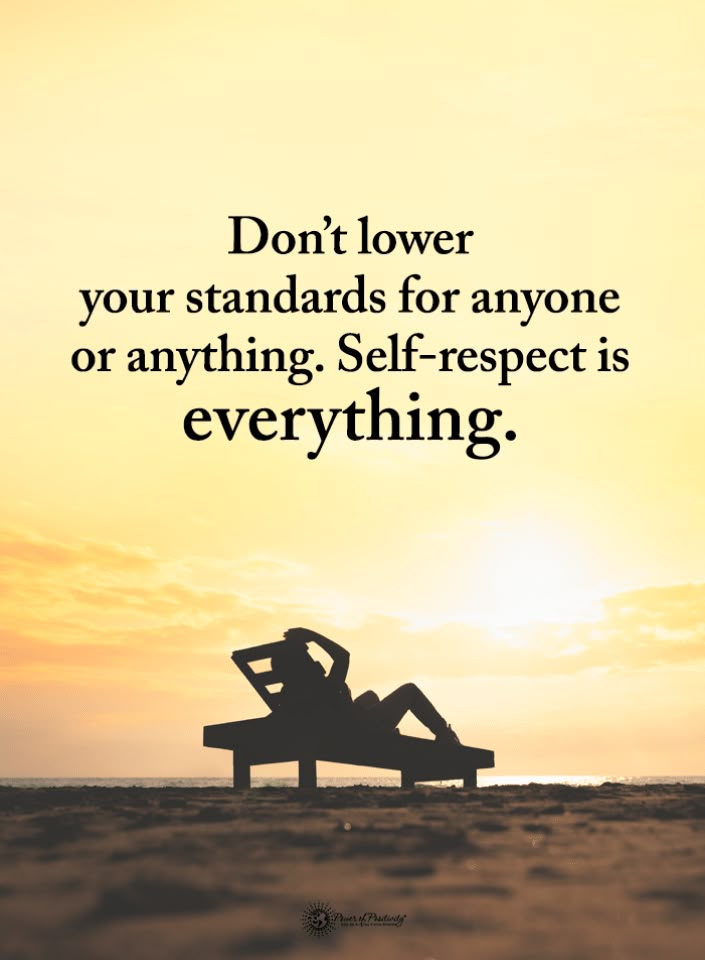
Raising your standards feels painful at first —
but staying the same is far more expensive.
5. High Standards Will Cost You — But Low Standards Will Cost You More
Raising your standards will cost you:
– certain friendships
– comfort
– excuses
– distractions
– habits
– approval
But low standards will cost you:
– your potential
– your peace
– your confidence
– your future
– your self-respect
Choose your cost wisely.
6. The Moment You Raise Your Standards, Your Life Pushes Back
This is normal.
When you raise your standards:
– people get uncomfortable
– excuses stop working
– your environment resists
– your old self fights back
But this resistance is proof of growth.
Growth always feels like loss at first.
7. Standards Are Not About Perfection — They’re About Direction
Raising your standards doesn’t mean becoming flawless.
It means deciding:
“I don’t live like this anymore.”
“I don’t tolerate this anymore.”
“I don’t settle for this anymore.”
Standards guide your decisions even when motivation disappears.
How to Raise Your Standards and Change Your Life (Practical Steps)
Step 1: Identify What You’re Tolerating
Ask yourself: “What am I allowing that’s holding me back?”
Awareness starts everything.
Step 2: Set Non-Negotiables
Examples: – I don’t accept disrespect
– I don’t waste mornings
– I save/invest monthly
– I protect my peace
– I finish what I start
Write them down.
Step 3: Upgrade Your Daily Habits
Your habits must match your new standards.
Small habits = big shifts.
Step 4: Distance Yourself from Low-Standard Environments
You can’t build a disciplined life in a chaotic space.
Change your surroundings if necessary.
Step 5: Hold Yourself Accountable
No excuses.
No self-pity.
No delays.
High standards require honesty.
Conclusion:
Your Standards Are Your Life’s Ceiling
You don’t rise to your goals.
You fall to your standards.
If your life feels stuck, it’s not because you lack potential —
it’s because you’ve been accepting too little.
The day you raise your standards is the day your life begins to shift.
Not because life suddenly becomes easy…
but because you finally decided to become serious.
And life respects seriousness.




















.jpg)













































































0 Comments