
The Untold Cost of Confusing Attachment With Love
Many people say “I love you”
when what they really mean is:
“I’m afraid of losing you.”
Attachment often wears the mask of love.
It feels intense.
It feels urgent.
It feels emotional.
But intensity is not love.
Fear is not intimacy.
And confusing the two comes at a heavy cost.

1. Attachment Is Driven by Fear — Love Is Driven by Choice
Attachment says:
– “I need you to feel okay.”
– “Don’t leave me.”
– “I can’t imagine life without you.”
Love says:
– “I choose you freely.”
– “I respect your independence.”
– “I want you, not need you to survive.”
When fear becomes the foundation, the relationship becomes fragile.
2. Attachment Makes You Tolerate What Love Never Would
When attachment leads, people:
– ignore red flags
– accept disrespect
– over-explain
– beg for attention
– stay too long
Not because they love deeply —
but because they fear being alone.
Love doesn’t shrink you.
Attachment does.
3. Attachment Creates Anxiety, Not Peace
If being with someone makes you constantly:
– overthink
– feel insecure
– seek reassurance
– fear silence
– monitor their actions
That’s not love.
That’s emotional dependence.
Love feels calm, safe, and steady —
not chaotic and draining.

4. Trauma Bonds Strengthen Attachment, Not Love
Attachment often grows strongest in relationships filled with:
– inconsistency
– emotional highs and lows
– apologies after pain
– affection followed by withdrawal
This cycle trains your nervous system to confuse chaos with connection.
But real love is stable — not addictive.
5. Attachment Makes Breakups Feel Like Losing Yourself
When attachment is mistaken for love, breakups feel unbearable.
Not because you lost the person —
but because you lost your emotional support system.
You didn’t lose love.
You lost regulation.
And that’s why healing feels so hard.
6. Love Encourages Growth — Attachment Demands Control
Attachment tries to control outcomes, people, and emotions.
Love encourages growth, freedom, and individuality.
If your relationship limits your growth,
it’s not love — it’s fear holding on.
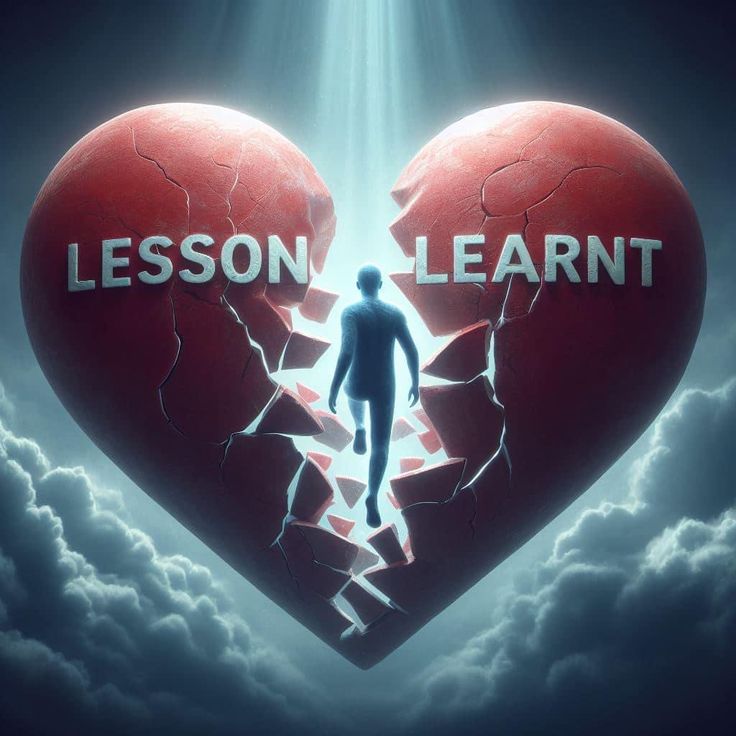
7. Confusing Attachment With Love Keeps You Stuck in Cycles
Until you learn the difference, you’ll repeat the same patterns:
– chasing unavailable people
– fearing abandonment
– staying in unhealthy relationships
– losing yourself in love
The lesson will repeat until it’s learned.
How to Separate Attachment From Love (Practical Steps)
Step 1: Ask Honest Questions
Does this relationship bring peace or anxiety?
Step 2: Build Emotional Security Within Yourself
Your partner should complement you — not complete you.
Step 3: Learn to Sit With Discomfort
Attachment hates discomfort.
Love allows space.
Step 4: Heal Old Wounds
Unhealed trauma fuels unhealthy attachment.
Step 5: Choose Secure, Not Exciting
Healthy love may feel boring at first — that’s stability, not lack of chemistry.
Conclusion:
Love Is Free — Attachment Is a Cage
Love allows you to breathe.
Attachment makes you cling.
Love grows with time.
Attachment demands constant reassurance.
The cost of confusing attachment with love is high —
lost self-worth, emotional exhaustion, and repeated heartbreak.
But the moment you learn the difference,
your relationships change forever.
Because love should feel safe —
not like something you’re afraid to lose.
.jpg)



















.jpg)






























































0 Comments